Skip to content
Many homeowners living in older properties across Ireland are tired of chilly rooms, draughty hallways, and heating bills that feel out of proportion to the comfort they actually get. When a house loses heat through the roof, walls, floors, and gaps around openings, even a good heating system ends up working harder than it should, and the home still doesn’t feel consistently warm.
That frustration is usually what pushes people to start searching for retrofit solutions. It can be difficult to know where to begin because retrofitting isn’t one single upgrade, it’s a set of improvements that need to work together. People often hear different opinions about insulation, heat pumps, windows, and ventilation.
The most common question is which are the best retrofit upgrades for older houses in Ireland that will make the biggest difference without creating damp or wasting money on the wrong order of work. In this blog, we’ll explore the upgrades that work best, how to prioritise them, what to avoid, and how we can help you deliver a safe, high-quality retrofit that lasts.
What Makes An Older Irish House Hard to Heat and Expensive to Run?
Older Irish homes often struggle with warmth because they lose heat faster than modern houses. Common issues include thin or patchy attic insulation, uninsulated cavity or solid walls, and suspended timber floors that let cold air circulate underneath.
Add in unwanted air leakage around windows, doors, chimneys, and service gaps, and your heating system ends up working overtime just to maintain a basic temperature. Many older properties also have inefficient heating controls, meaning boilers run longer than necessary and heat rooms that do not need it.
Moisture is another factor because damp walls and high humidity make spaces feel colder, so you turn the heating up even more. Together, these weaknesses create a cycle of discomfort, higher bills, and inconsistent temperatures from room to room.
Best Retrofit Upgrades for Older Houses in Ireland: A Complete Homeowner’s Guide
A well-planned retrofit improves comfort, reduces heat loss, and helps your heating system work more efficiently without wasting energy. It also makes future upgrades like improved ventilation or low-temperature heating far easier and more cost-effective.
Attic insulation
Upgrading attic insulation is often the quickest win for older Irish homes because heat naturally rises and escapes through the roof. A properly insulated attic reduces heat loss, improves comfort upstairs, and lowers heating demand across the whole house. Pay attention to even coverage, safe clearance around lights, and a well-insulated hatch for best results.
Wall insulation
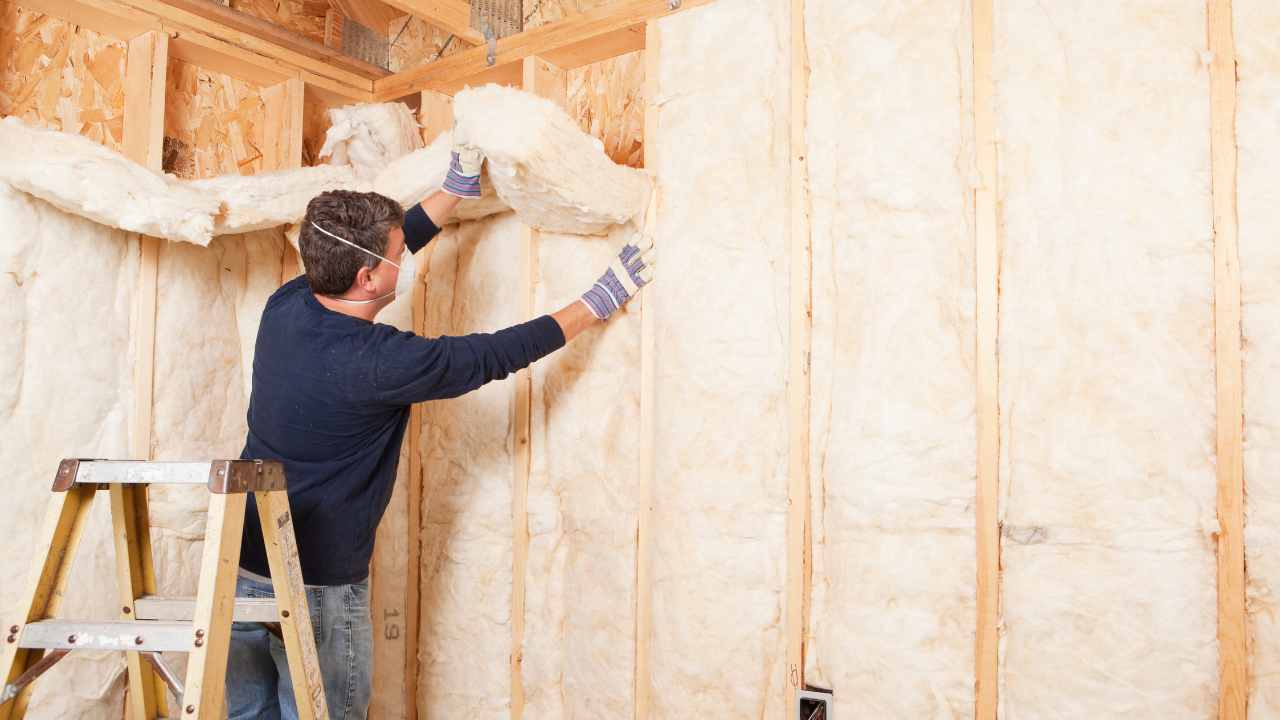
Walls can account for significant heat loss, especially in solid or poorly insulated cavity walls. Choosing the right wall system matters because older houses handle moisture differently. External insulation can wrap the home and reduce cold bridging, while internal insulation may suit protected façades. Good detailing around reveals and junctions prevents future cold spots and condensation.
Floor insulation
Cold floors often come from suspended timber floors where chilly air moves beneath the boards. Insulating between joists can make rooms instantly feel warmer and reduce heat demand. The key is balancing warmth with moisture control, keeping ventilation routes appropriate, and sealing gaps at skirting and service penetrations. Floor upgrades are ideal during renovations.
Air sealing
Reducing uncontrolled air leakage improves comfort by stopping cold air from entering and warm air from escaping. Focus on gaps around windows and doors, pipe penetrations, attic hatches, and fireplaces. The aim is not to remove fresh air, but to control it. Once leakage is reduced, planned ventilation becomes more effective and healthier.
Heating controls
Before changing your boiler or installing a heat pump, upgrade your heating controls. Room-by-room temperature control, programmable schedules, and radiator valves help you heat spaces only when needed. Better controls reduce wasted energy, prevent overheating, and keep temperatures steadier. Combined with insulation upgrades, controls often deliver noticeable savings with minimal disruption and cost.
How to Avoid Common Retrofit Mistakes That Waste Money in Ireland?
Avoiding these common errors helps your retrofit perform better, last longer, and prevents spending twice on the same problem. A clear plan and high standards during installation are what turn upgrades into real, measurable comfort and savings.
Wrong order
Many homeowners upgrade heating before reducing heat loss, leading to disappointing results and higher running costs. If the house leaks heat through the roof, walls, floors, or gaps, a new boiler or heat pump must work harder than necessary. Start with insulation and air sealing first, then upgrade heating once demand is lower.
Poor detailing
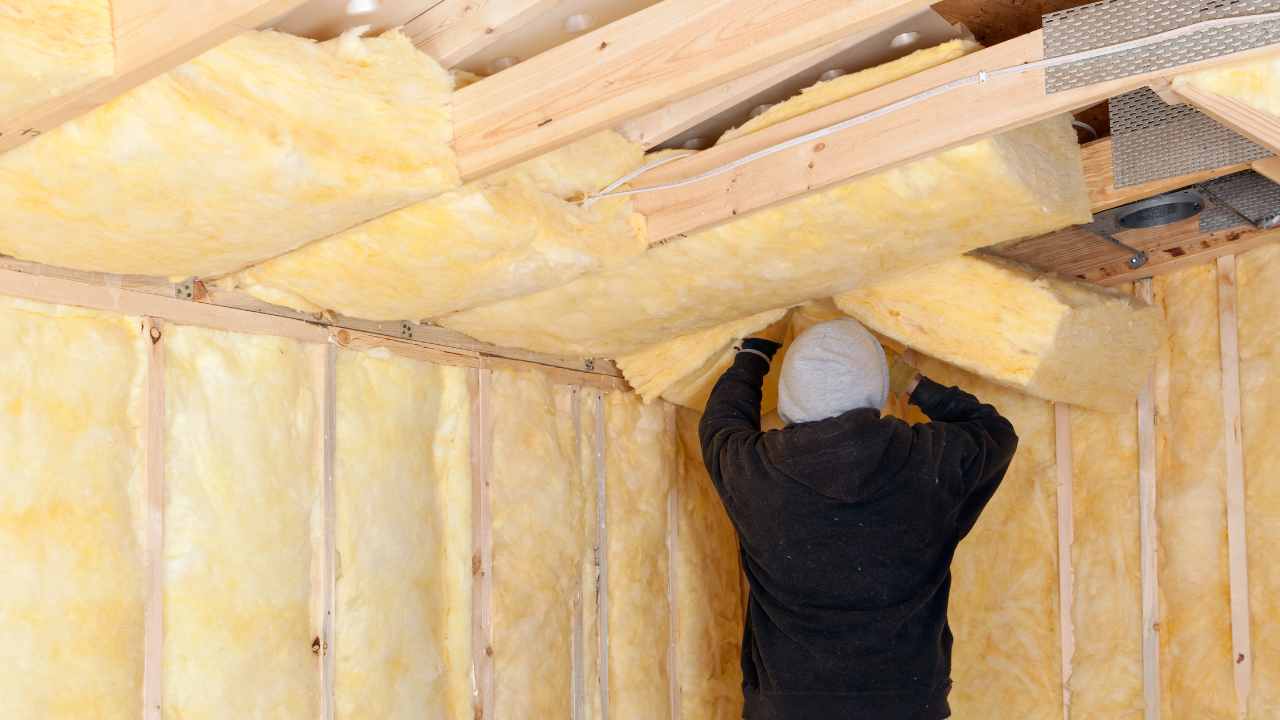
Even good materials fail with weak finishing around joins and edges. Gaps around window reveals, attic hatches, skirting lines, and pipe penetrations can undo much of the benefit of insulation. Poor detailing also creates cold bridging, which can lead to cold spots and discomfort. A quality retrofit depends on careful workmanship at every junction.
Ignoring damp
Covering a damp wall with insulation or new linings can trap moisture and cause long-term damage. Older Irish homes may already have issues from roof leaks, cracked render, blocked gutters, or ground levels bridging damp proof courses. Fix water entry points and allow structures to dry before insulating. Moisture management is essential for durability and comfort.
Cheap materials
Choosing the lowest-cost products without checking performance and suitability often leads to waste. Some insulation types are unsuitable for certain wall builds, while bargain windows or doors can perform poorly if the seals or frames fail early. Value comes from correct specifications, reputable brands, and proper installation. Paying slightly more upfront can prevent costly replacements.
Conclusion
Retrofitting an older house in Ireland works best when you take a building-first approach, starting with attic, wall, and floor insulation, then improving air sealing and heating controls for steadier comfort and lower running costs. Choosing the right measures for your home’s construction, fixing damp issues early, and avoiding poor detailing or rushed sequencing helps you get lasting results without wasting money on repeat work.
If you want a retrofit plan that is practical, well-sequenced, and delivered to a high standard, BuildTech can help. Contact BuildTech today to discuss your home, explore upgrade options, and move forward with confidence toward a warmer, more efficient property.