Skip to content
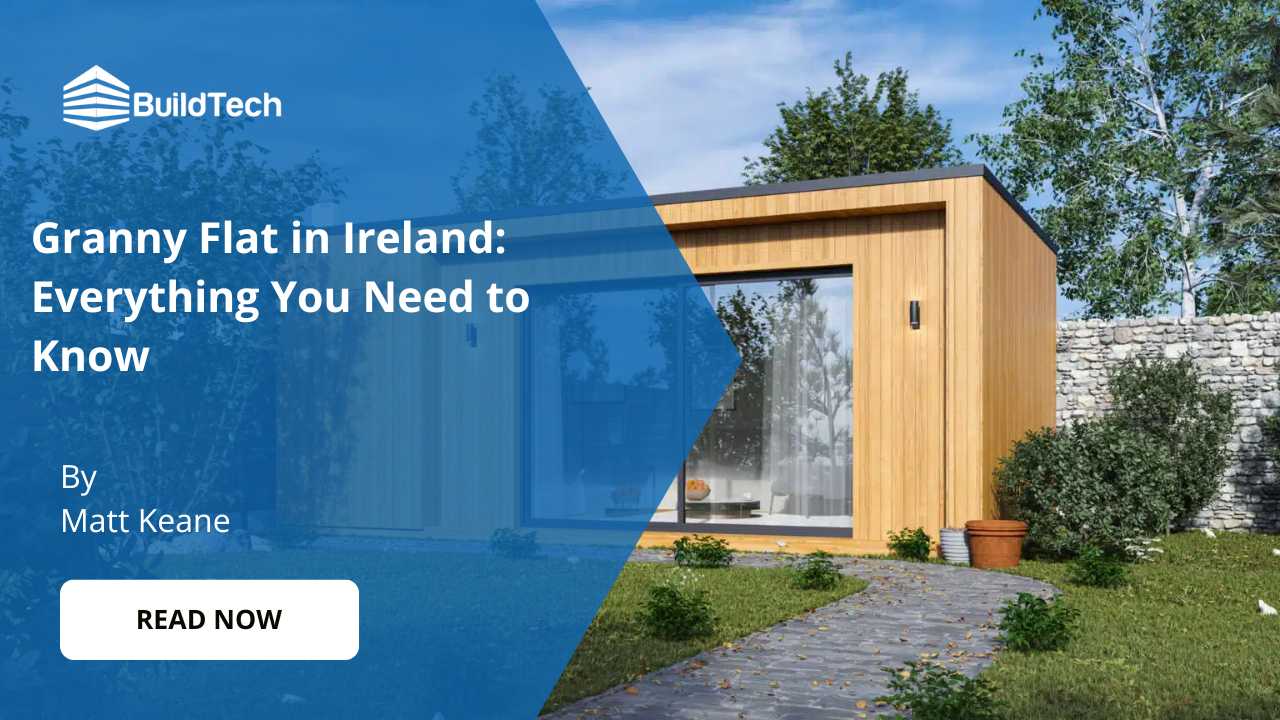
Granny flats have become an increasingly popular option for homeowners across Ireland, offering flexible living space with long-term benefits. Whether used for family members, guests, or rental purposes, they provide a practical way to maximise existing property space.
However, building a granny flat involves important decisions around design, planning permission, costs, and future use. Understanding these factors early helps avoid delays and unexpected issues.
In this blog, we’ll explore the key points homeowners should consider before considering a granny flat in Ireland, helping you plan with clarity and confidence.
Let’s start!
What Is a Granny Flat?
A granny flat is a self-contained living space that is typically built as part of, or attached to, an existing home. It is designed to function independently while remaining connected to the main property. Traditionally, these spaces were created to support elderly family members who needed to live close by but retain privacy.
Over time, their use has expanded to suit modern family needs. Granny flats are now commonly used for adult children, long-term guests, or live-in carers. They usually include sleeping and bathroom facilities. Many also feature a small kitchen and living area to allow comfortable day-to-day living.
What Key Factors Should You Consider When Designing a Granny Flat?
Before moving forward with a granny flat project, it is important to be clear about its purpose and layout. Careful planning at this stage helps avoid delays, unnecessary changes, and rising costs later in the build.
1. Main Purpose
Start by deciding how the granny flat will be used. It may be intended for a family member, guests, or rental use. Knowing its primary role helps shape the layout and features. This ensures the space is practical from day one.
2. Consider the Needs of the Occupant
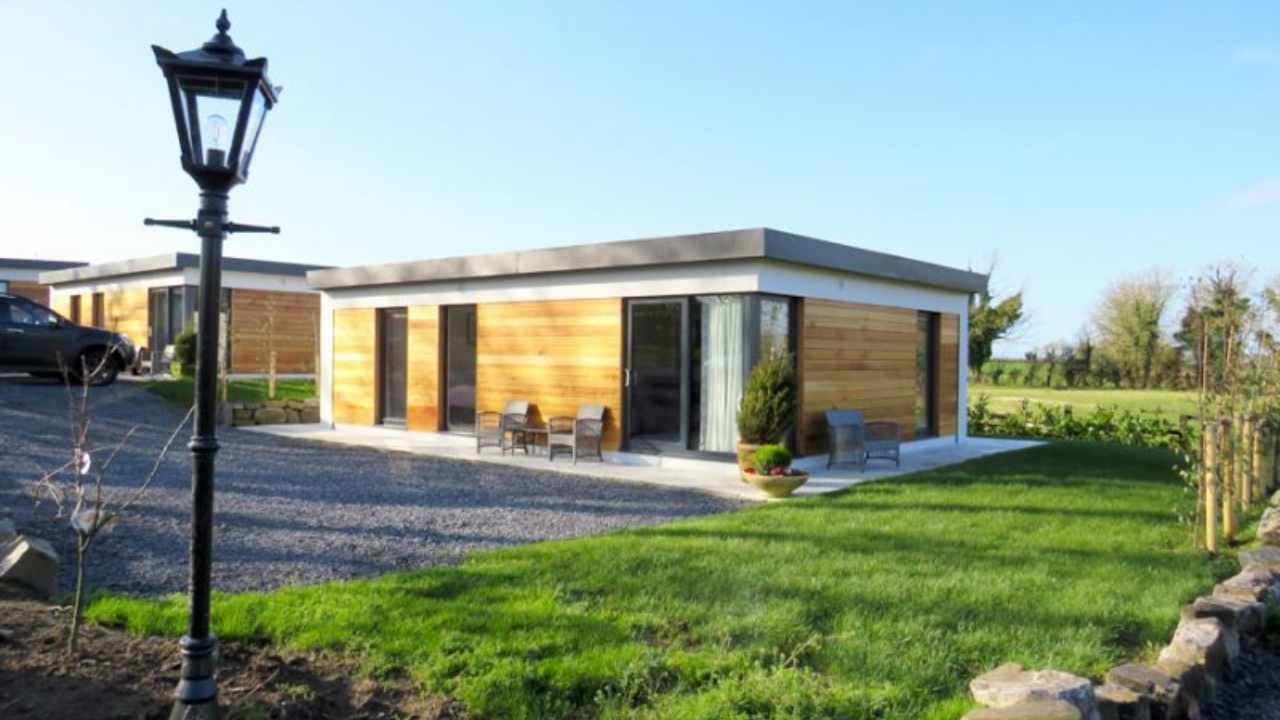
If the granny flat is for a specific person, their needs should guide the design. Elderly occupants may require accessible features and minimal stairs. So, comfort and safety should be prioritised, which is why thoughtful planning improves long-term usability.
3. Plan for Privacy and Independence
Privacy is often a key factor in granny flat design. Separate access and living facilities help occupants feel independent. This is especially important if the space is rented out. A self-contained layout adds flexibility.
4. Decide on Essential Facilities
Think carefully about what facilities are required. Bedrooms and bathrooms are essential for everyday living. Adding a kitchenette or small living area can improve comfort. These choices affect both cost and functionality.
5. Finalise Plans Before Construction
Once requirements are clear, detailed plans should be prepared. Reviewing and approving plans early helps prevent changes later. Late design changes often cause delays and added expense. A clear plan supports a smoother build process.
What Is the Rental Potential of a Granny Flat?
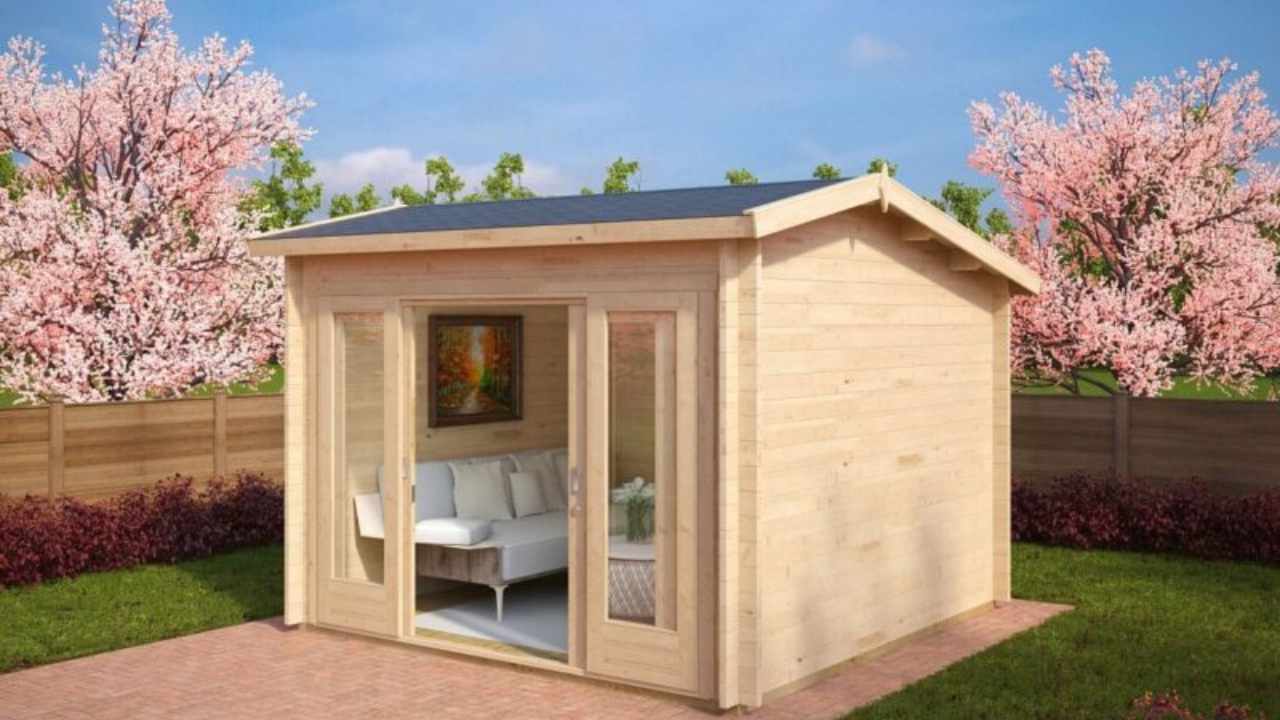
Granny flats are increasingly being used as flexible living spaces that can adapt to changing family needs. Many homeowners initially build them for adult children who are saving for a mortgage or struggling to find suitable rental accommodation. Once no longer needed by the family, the space can be repurposed as a long-term rental.
Ireland’s ongoing rental shortage has significantly increased demand for rooms and self-contained units. Rising rental costs mean more tenants are open to renting part of a property rather than an entire home. This makes granny flats particularly attractive, especially in urban and commuter areas.
There are also clear financial benefits. Eligible homeowners can earn up to €14,000 per year tax-free under the Rent-a-Room relief scheme, provided certain conditions are met. This can help offset construction costs within a relatively short period.
What Are the Planning Permission Regulations for Granny Flats?
Planning rules for granny flats can vary depending on the local authority, which makes early guidance essential. In many cases, permission may not be required if the extension remains within permitted development limits. As a general guide, extensions that do not increase the original floor area by more than 40 square metres and do not exceed the height of the existing house are often allowed without formal approval. Even so, it is always wise to confirm this before starting work.
Planning permission is typically required if the granny flat is designed as a separate, stand-alone dwelling. Self-contained units intended for rental use must meet additional regulatory requirements, including landlord registration and compliance standards.
Conclusion
Building a granny flat can be a practical way to add flexible living space, support family needs, or create rental income. As outlined in this guide, careful planning is required, from understanding design requirements and intended use to budgeting, rental potential, and planning permission rules. When done correctly, a granny flat can add long-term value and adaptability to your home.
If you are considering a granny flat and want expert support from planning through to construction, contact BuildTech today to discuss your options and get professional guidance customised to your property.