Skip to content

Choosing between aluminium windows vs UPVC is one of those decisions where the sticker price only tells half the story. In 2026, Irish homeowners are weighing up not just the upfront cost but also lifespan, energy performance, and how each frame handles our damp coastal weather.
Here’s the short version. UPVC windows typically cost €350 to €700 per window supplied and fitted, while aluminium runs €700 to €1,400 per window. Aluminium costs roughly double, but it lasts longer, holds slimmer sightlines, and suits larger openings. UPVC wins on price and thermal performance out of the box.
Below, we break down the real numbers, where each material earns its keep, and how to decide what fits your home and budget.
What Do Aluminium vs UPVC Windows Cost in 2026?
In 2026, a standard casement UPVC window in Ireland costs between €350 and €700 supplied and fitted. The same window in aluminium ranges from €700 to €1,400. Larger units, sliding doors, and bespoke shapes push both materials higher, but the gap between them stays roughly two to one.
Prices vary by size, glazing spec, colour finish, and installer. Here’s a rough guide for a typical three-bed semi with 10 to 12 windows.
- Full UPVC replacement: €4,500 to €8,500
- Full aluminium replacement: €9,000 to €17,000
- Aluminium-clad timber (hybrid): €11,000 to €20,000
- Sliding patio door (aluminium): €3,500 to €8,000 per unit
- Sliding patio door (UPVC): €1,800 to €3,500 per unit
Fitting costs are usually built into the quote, but always ask whether removal of old frames, disposal, and internal reveals are included. That’s where surprise charges creep in.
Why Aluminium Costs More
Aluminium is a more expensive raw material, and the manufacturing process, including thermal breaks and powder coating, is more involved. You’re also paying for slimmer frames, larger glass panes, and a longer service life. For homeowners chasing a modern, minimal look with big openings, that premium often makes sense.
Why UPVC Stays Affordable
UPVC is extruded from plastic profiles, which keeps production costs low. Multi-chamber designs deliver strong thermal performance without needing extra insulation layers. For standard-sized openings in most Irish homes, UPVC gives excellent value.
How Do the Two Materials Compare on Energy Performance?
Both materials can hit strong U-values, but UPVC generally performs better thermally at a lower price point. A standard UPVC frame achieves a whole-window U-value of around 1.2 to 1.4 W/m²K. Aluminium with a thermal break sits around 1.4 to 1.6 W/m²K. Triple glazing narrows the gap significantly.
Energy performance matters for your BER cost and rating. If you’re planning a deep retrofit or targeting an A-rated home, spec the glazing carefully with your installer. The frame material matters, but the glass unit, spacer bars, and installation quality matter more.
- UPVC casement, double glazed: U-value around 1.3 W/m²K
- Aluminium casement, thermally broken, double glazed: U-value around 1.5 W/m²K
- UPVC or aluminium, triple glazed: U-value around 0.8 to 1.0 W/m²K
The SEAI home energy grants can help offset window upgrades when they form part of a wider retrofit package. Standalone window replacement isn’t grant-eligible, so plan your works together if you want to claim support.
Which Material Lasts Longer?
Aluminium wins clearly on lifespan. A well-fitted aluminium window will last 40 to 50 years with minimal maintenance. UPVC typically lasts 25 to 30 years before the seals, hinges, or frame colour start to degrade. In coastal areas, salt air shortens the life of both, but aluminium copes far better than UPVC.
That lifespan gap matters when you factor in total cost of ownership. Aluminium may cost twice as much upfront, but if it lasts twice as long, the per-year cost evens out. UPVC wins the short-term price war, aluminium wins the long game.
Maintenance and Weather Resistance
UPVC can discolour, especially on south-facing elevations where UV exposure is high. White frames tend to yellow over time, and coloured frames can fade. Aluminium powder coating holds its finish for decades and resists warping, rusting, and swelling.
Both materials wipe clean with soapy water. Neither needs painting. Aluminium hinges and locks typically outlast UPVC hardware, which is usually the first thing to fail on older UPVC units.
Which Suits Your Home Style?
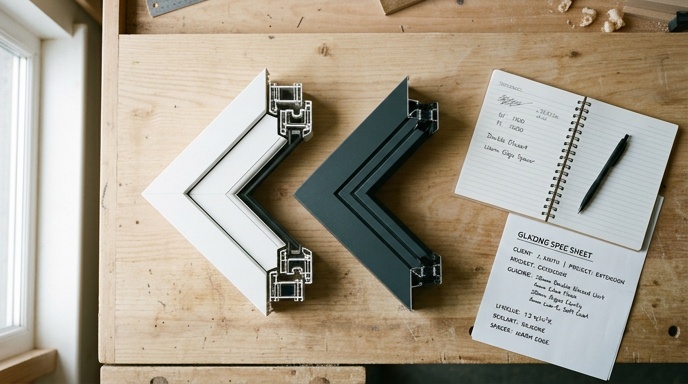
Aluminium suits contemporary homes, extensions with big glazed openings, and any project where slim sightlines and large panes matter. UPVC suits traditional and standard homes where matching original proportions and keeping costs down are priorities. Neither is objectively better. It comes down to your architectural style and budget.
When Aluminium Is Worth the Premium
- Modern or contemporary extensions with floor-to-ceiling glazing
- Large sliding or bi-fold doors opening to gardens
- Homes in exposed coastal or high-wind locations
- Projects where slim frames and maximum glass area are design priorities
- Owners planning to stay long-term and value low maintenance
When UPVC Makes More Sense
- Standard replacement projects on semi-detached or terraced homes
- Rental properties where upfront cost matters more than 40-year lifespan
- Traditional homes where thick frames match original character
- Whole-house replacements on a tight budget
- Retrofits targeting quick BER improvements at lower cost
If you’re planning a full renovation or extension, talk to your builder early about window spec. It affects the structural opening, lintel design, and how the frames tie into insulation. Our team covers this at the design and feasibility stage so there are no surprises later.
What About Aluminium-Clad Timber and Composite Options?
Hybrid windows combine an aluminium exterior with a timber interior, giving you the best of both worlds. They cost more than pure aluminium, typically €1,200 to €2,000 per window, but they offer warm interior aesthetics, excellent thermal performance, and low external maintenance.
These are popular in high-end renovations and passive-house builds. For most standard projects, they’re overkill. But if you’re doing a one-off build or a heritage-sensitive renovation, they’re worth pricing up.
How to Get an Accurate Quote
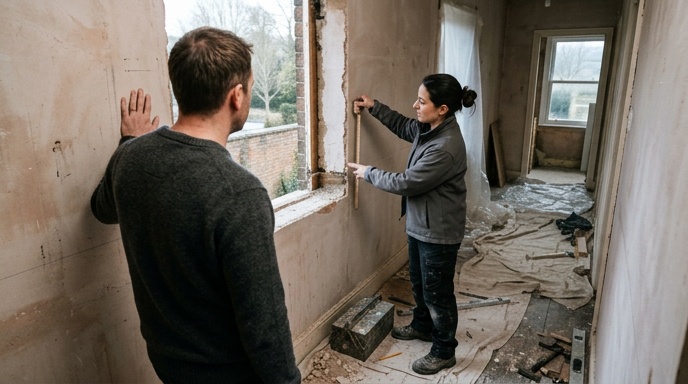
The prices above are ranges, not fixed figures. Your actual cost depends on window count, sizes, glazing spec, colour, opening type, and site conditions. For an accurate figure, book a consultation with trusted installers who visit the property and measure properly.
Ask each installer for a written breakdown showing frame material and profile, glazing spec and U-value, hardware brand, warranty terms, removal and disposal, and finishing works. If a quote is missing detail, it’s usually missing money too. You can check general consumer rights around home improvement contracts through CCPC consumer guidance.
Making the Right Choice for 2026
For most Irish homes, UPVC still offers the best value on straight replacement work. Aluminium earns its premium on modern extensions, large openings, and coastal homes where longevity matters. The right choice between aluminium windows vs UPVC depends on your budget, your home’s style, and how long you plan to stay.
If you’re planning a renovation or extension where windows are part of a bigger picture, get in touch with our team for a feasibility consultation and we’ll help you spec the right option for your project and budget.