Skip to content

You need a BER certificate to sell or rent a home in Ireland. Most SEAI grants ask for one too.
A BER assessment typically costs between €150 and €350. Most homes come in around €180 to €250. The fee covers a site visit, energy calculations, and your official certificate.
The price shifts based on your home’s size, age, and location. This guide shows you what drives the cost up or down, what you actually get, and how to pick a qualified assessor.
How Much Does a BER Assessment Cost in Ireland?
The average cost of a BER assessment in Ireland sits between €150 and €350, with most homeowners paying €180 to €250. Apartments tend to be at the lower end. Larger detached homes, older properties, and rural locations usually cost more due to survey time and travel.
Here’s a rough guide based on property type:
- Apartment or one-bed flat: €150 to €200
- Two or three-bed semi-detached house: €180 to €250
- Four-bed detached house: €220 to €300
- Large or rural detached home: €250 to €350
- Period or heritage property: €300 to €400+
These are working figures based on the current Irish market. Prices shift with fuel costs, assessor availability, and demand, so always get two or three quotes before booking.
What Affects the Price of a BER Assessment?
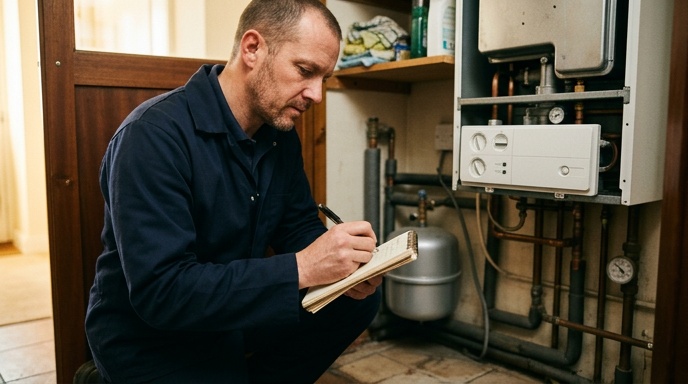
The headline price hides a few moving parts. A BER assessment isn’t a flat-rate service. The assessor is pricing their time, travel, and the complexity of your home, so a small terraced house and a rambling countryside cottage won’t cost the same.
1. Property Size and Layout
Bigger homes take longer to survey. Every room, window, external wall, and heating zone has to be measured and recorded. A four-bed detached with a converted attic will need more time on site than a two-bed apartment, and that time gets priced in.
2. Age and Construction Type
Older homes, especially those built before 1978, often have missing documentation. The assessor has to make more measurements and default assumptions, which adds time. Period properties with solid walls, chimneys, and mixed extensions typically sit at the higher end of the price scale.
3. Location and Travel
Assessors in Dublin, Cork, Galway, and other cities usually charge less because their travel is short. If your home is rural or a long drive from the nearest assessor, expect a call-out or mileage charge added on top.
4. Documentation You Can Provide
If you have architectural drawings, insulation certificates, boiler manuals, or upgrade receipts to hand, the assessment goes faster and can sometimes deliver a better rating. Some assessors will drop the price slightly if the paperwork is well organised.
What Do You Actually Get for the Money?
A BER assessment includes a full site survey, energy modelling using SEAI-approved software, and the issuing of your official BER certificate and advisory report. The certificate is valid for 10 years, provided no major changes are made to the property in that time.
Here’s what a proper assessment covers:
- A physical inspection of your home, usually taking 1 to 3 hours on site
- Measurement of floor areas, wall types, windows, doors, and roof construction
- Assessment of heating systems, hot water, ventilation, and any renewables like solar PV or heat pumps
- Data entry into the SEAI DEAP software to calculate your energy rating
- Registration of the BER certificate on the official SEAI register
- An advisory report suggesting cost-effective upgrades to improve your rating
The advisory report is often the most useful part. It’s a shortlist of upgrades ranked by impact, and it’s the document most homeowners hand to a builder when planning a retrofit or extension.
When Do You Legally Need a BER Certificate?
You must have a valid BER certificate before you advertise a property for sale or rent in Ireland. New builds also need one before they’re occupied. If you’re staying put and not selling, a BER isn’t legally required, but you’ll need one to apply for most SEAI grants.
The main situations where a BER is mandatory:
- Selling your home: the BER must be shown in the sales listing
- Renting your home: the BER must be included in the letting advert
- Newly built properties before first occupation
- Applying for SEAI Better Energy Homes grants or the One Stop Shop scheme
- Applying for a green mortgage with most Irish lenders
Failing to have one when you should can lead to fines of up to €5,000. You can check the official rules and search the public BER register on the SEAI BER homepage, which also lists registered assessors by county.
How to Find a Qualified BER Assessor
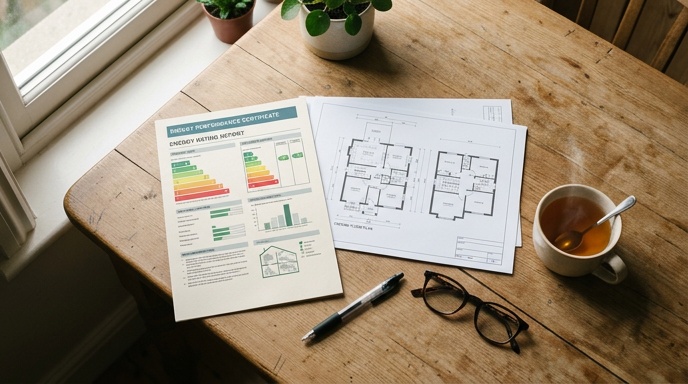
Only assessors registered with SEAI can legally carry out a BER assessment and issue a certificate. The SEAI keeps a public register of every qualified assessor in the country, searchable by county, so you can verify anyone quoting you before you hand over a deposit.
5 Things to Check Before You Book
Before you commit, do a quick vetting check. It takes five minutes and saves a lot of grief later.
- Confirm the assessor’s name and number on the SEAI register
- Ask for a fixed quote in writing, including VAT and any travel charges
- Check what documents they need you to have ready
- Ask how long the site visit will take and when the certificate will issue
- Read a few recent reviews on Google or a trades directory
Watch Out for Suspiciously Cheap Quotes
Prices well below €150 are a red flag. Rushed assessments often produce lower ratings, miss upgrade opportunities, or use default assumptions that hurt your BER score. A poor rating can cost you thousands in a house sale or block you from SEAI grants, so cheap is rarely cheap in the long run.
How Does a BER Assessment Fit With Home Upgrades?
A BER assessment is the natural starting point for any energy upgrade. The advisory report shows you which measures will move your rating the most for the least money, and it’s usually required to unlock SEAI grants for insulation, heat pumps, and solar PV.
Under the current 2026 Retrofit Plan, grants stack. A heat pump grant can reach up to €12,500, and a full One Stop Shop deep retrofit commonly attracts around €25,000 to €30,000 in combined grants. You need a pre-works and post-works BER for the deeper grant routes, so budget for two assessments if you’re going down that path.
If you’re planning a bigger project, it’s worth knowing the actual cost of retrofit before you book anything. The order matters. Getting a BER done, then a proper feasibility study, then design, saves money compared with jumping straight into building work and discovering issues halfway through.
5 Ways to Reduce the Cost of a BER Assessment
You can’t dodge the assessment itself, but you can keep the bill sensible. A bit of prep before the assessor arrives usually shaves time off the visit, and time is what you’re paying for.
- Gather documents in advance: floor plans, boiler service records, insulation certs, window specs, and receipts for any upgrades
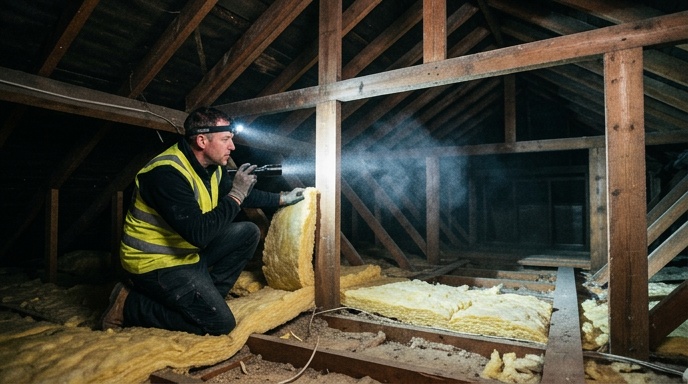
- Clear access to the attic, hot press, and boiler cupboard so the assessor isn’t waiting on you
- Get quotes from at least three registered assessors in your area
- Book off-peak: assessors are busier in spring and autumn when sales pick up
- Bundle with a neighbour if you’re both getting one done, as some assessors offer a small discount for two homes on the same trip
For further guidance on your rights as a consumer when booking home services, the Citizens Information housing section covers what to expect from a written quote and how to handle disputes.
Book a Feasibility Chat Before You Spend on Upgrades
A BER certificate tells you where your home stands today. What it doesn’t do is design the upgrades, cost the work, or manage the build. That’s where a proper feasibility conversation comes in, ideally before you commit to a full retrofit or extension.
If you’re weighing up a bigger renovation or deep retrofit alongside the BER, get in touch for a feasibility consultation. We’ll walk you through the numbers, the grant options, and the sensible order of works so your BER investment pays off in a real, measurable rating jump.