Skip to content

Have you been searching, do you need planning permission for a log cabin on your property? Many homeowners are drawn to the idea of adding extra space, whether for work, leisure, or even as guest accommodation.
But before starting, it’s important to understand the planning rules that apply. The answer often depends on the size, location, and purpose of the cabin. In some cases, it may fall under exempted development, while in others, full approval is required.
This guide will walk you through the key conditions to help you plan with confidence.
Let’s start!
When You Don’t Need Planning Permission for a Log Cabin?
Find out when a log cabin does not need planning permission in Ireland.
Condition 1: Exempted Development
Log cabins and similar small structures are often classed as exempted development. This means no planning permission is required, but only if they meet certain rules. The exemption usually depends on the cabin’s size, location, and intended use.
Condition 2: Size of the Cabin
A log cabin under 25 square metres of floor area usually does not need planning approval. It must also leave at least 25 square metres of open space at the back of the house. Staying within these size limits is key to qualifying for exemption.
Condition 3: Purpose of Use
The cabin cannot be used for full-time residential living. It is only exempt if it is secondary to the main house, such as a home office, gym, or hobby room. Using it as a home would remove its exempt status.
When Planning Permission is Needed for Log Cabins?
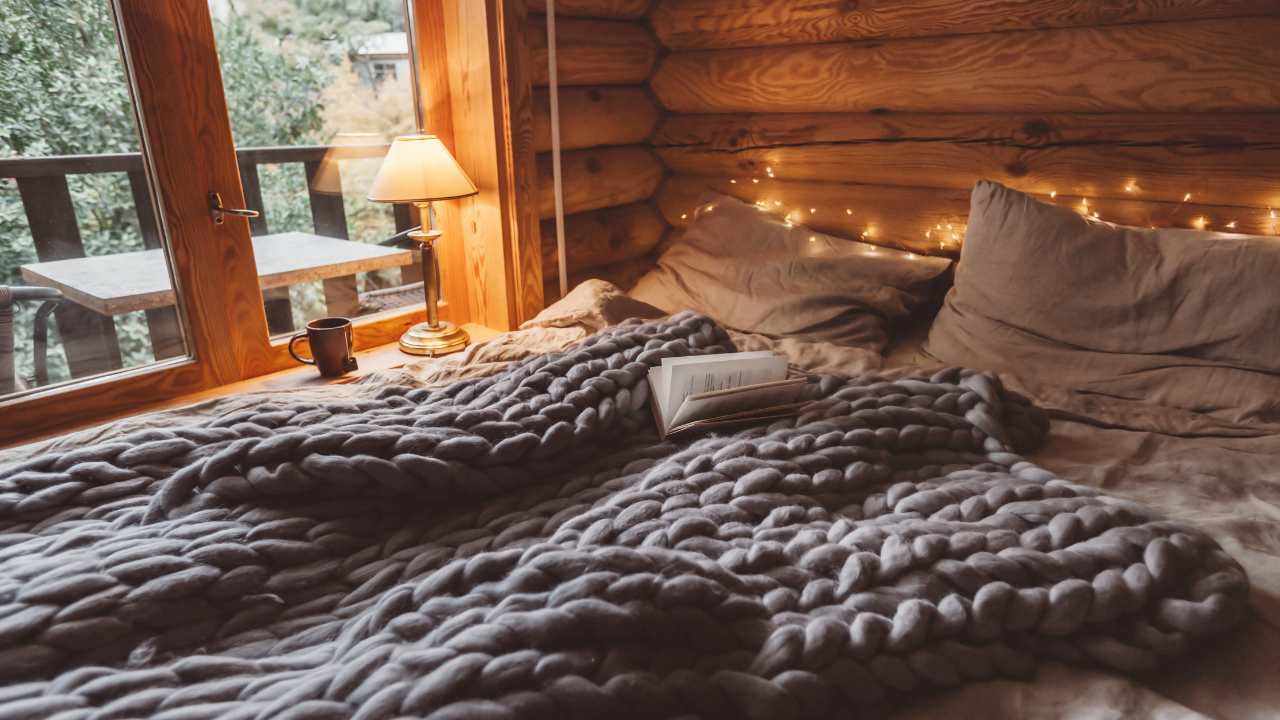
There are the key situations where approval must be sought before building.
Condition 1: Exceeding Size or Use Rules
If your log cabin is bigger than the exempted size limit, or if it is designed for full-time living, planning permission will be required. The exemption only applies to smaller, non-residential structures. Once the limits are crossed, approval from the council becomes necessary.
Condition 2: Building in Sensitive Locations
When a cabin is placed in a conservation area or a designated area of natural beauty, stricter controls apply. Even if the cabin is small, local rules may still require permission. Checking these requirements early can help avoid costly setbacks.
Many homeowners ask, “do you need planning permission for a log cabin?” The answer depends on both its size and where it is built, making it important to review these conditions carefully.
What Are The Planning Rules for Habitable Log Cabins?
When a log cabin is meant for living, the planning standards are far stricter than for small garden structures. These rules focus on location, size, design, access, and environmental impact to make sure the cabin is safe, practical, and fits within its setting.
Location and Site Consideration
Any habitable log cabin must match the local development plan and respect the area’s character. Planners look at zoning, access to key services, and how the cabin affects nearby homes.
It should not overshadow neighbours or reduce their privacy. Getting the location right is often the first step to approval.
Size and Height Restrictions
The scale of the cabin must be in proportion to the plot it sits on. Oversized or very tall structures can look out of place and may breach planning rules. Local standards guide what is acceptable for each area. Keeping within these limits helps the application process go more smoothly.
Design and Appearance
The cabin’s design should complement the area rather than clash with it. Materials, colours, and architectural details are all taken into account. A well-thought-out design not only improves approval chances but also increases the overall look of the property. Planners favour cabins that respect the local character.
Access and Parking
Safe access and suitable parking are vital, particularly when the cabin will be used as a home. Plans should show that traffic flow and road safety will not be affected. Parking spaces must be provided where required. Without this, approval is often delayed or refused.
Sustainability and Environmental Impact
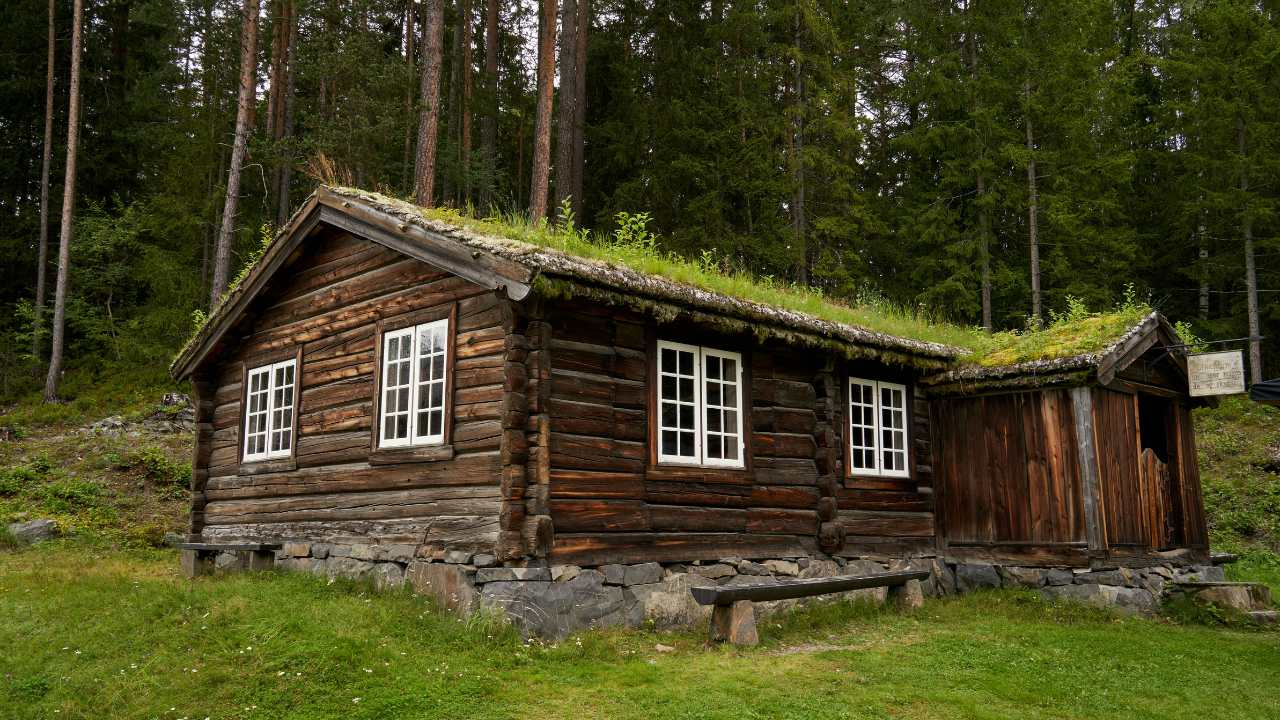
Modern planning gives strong weight to sustainability. Cabins are expected to use energy-efficient materials, reduce carbon impact, and protect biodiversity. Proposals that show care for the environment are looked on more positively. Ignoring these factors can hold up the process.
So, do you need planning permission for a log cabin? If it is intended as a permanent living space, then yes and these five standards outline what you’ll need to consider.
Conclusion
Whether you need planning permission for a log cabin depends on its size, location, use, and design. Smaller cabins used as garden rooms or offices may fall under exempted development, while habitable log cabins face stricter rules covering access, appearance, and environmental impact. Always check local planning guidelines before starting your project to avoid delays or issues later.
If you’re considering building a log cabin and want expert advice, contact BuildTech today. Our team can guide you through the planning process and deliver a cabin that meets both your needs and all legal requirements.
Frequently Asked Questions
What size of log cabin can I build without planning permission?
You may not need planning permission if your log cabin meets permitted development rules: for example, height limits near boundaries, single-storey only, and the cabin not covering more than about half of the rear garden.
Can I use a log cabin as a bedroom or residential space without planning permission?
Not usually. If you intend the cabin for living, sleeping, or full residential use, planning permission (and often building regulation approval) will be required.
Do the rules differ in conservation areas or on protected land?
Yes. In designated areas (e.g. Areas of Outstanding Natural Beauty, conservation zones, or if the building is listed), stricter rules apply. Even small cabins may require permission in those locations.
How can BuildTech help me find out if I do need planning permission for a log cabin?
BuildTech offers personalised advice, reviewing your property, cabin design and location. We can help check if your cabin meets permitted development criteria and whether any local restrictions or protections apply.
Can BuildTech prepare and submit the planning application for my log cabin?
Absolutely. Our team can handle the full application process: producing the required drawings, filling in forms, submitting to the Local Planning Authority, and following up for efficient approval.
What’s the fastest way to ensure my log cabin project proceeds without delays?
Working with a company like BuildTech helps avoid common mistakes: ensuring size, height, use, and placement comply with rules; early engagement with planners; and making sure all documents are in order. This helps speed up approvals and reduces risk of having to modify or remove works.